Bell Helmets Moto-10 Spherical Product Launch
Case study
Bell’s Moto-10 Spherical was the most technically advanced helmet the brand had produced — and it needed more than a product page. Working on Bell’s internal design team alongside a developer and brand manager, I helped concept, design, and build a dedicated landing page experience that could carry the launch from pre-release anticipation through post-launch engagement.
The goal was a page that felt as sophisticated as the product — immersive, technically credible, and built to hold a rider’s attention at every stage of the product cycle.
The experience
Build the list before the launch.
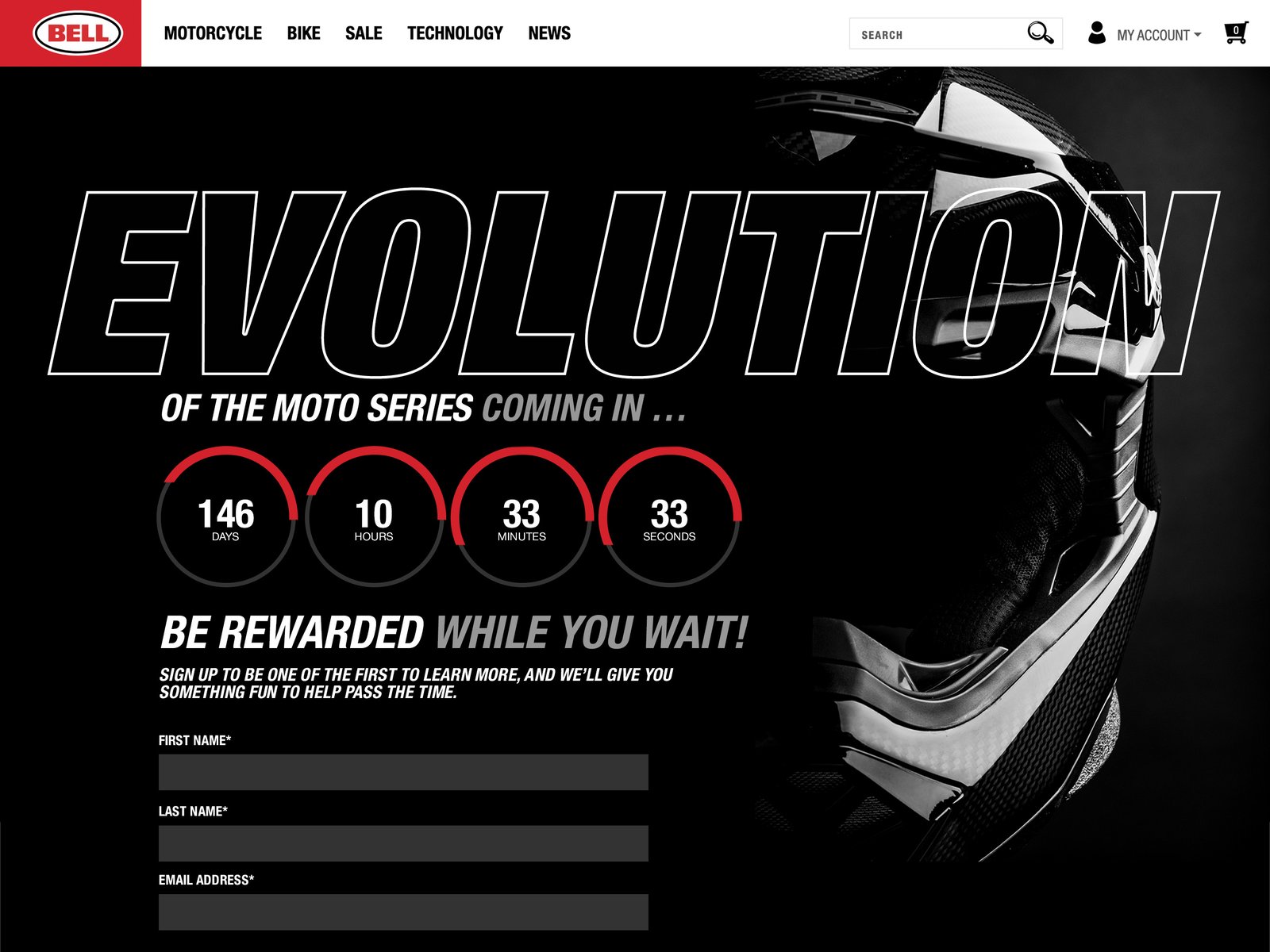
Months before the helmet was available, the landing page went live in a pre-launch state. The objective was straightforward: generate excitement, build the email list, and give early visitors a reason to come back. A countdown clock ticked toward the launch date, and users who signed up for email updates were promised an exclusive reward — creating real incentive for early registration.
The strategy worked. The subscriber base grew significantly in the pre-launch window, giving the brand a warm audience ready to engage the moment the product dropped.
The game
Keep them engaged while they wait.
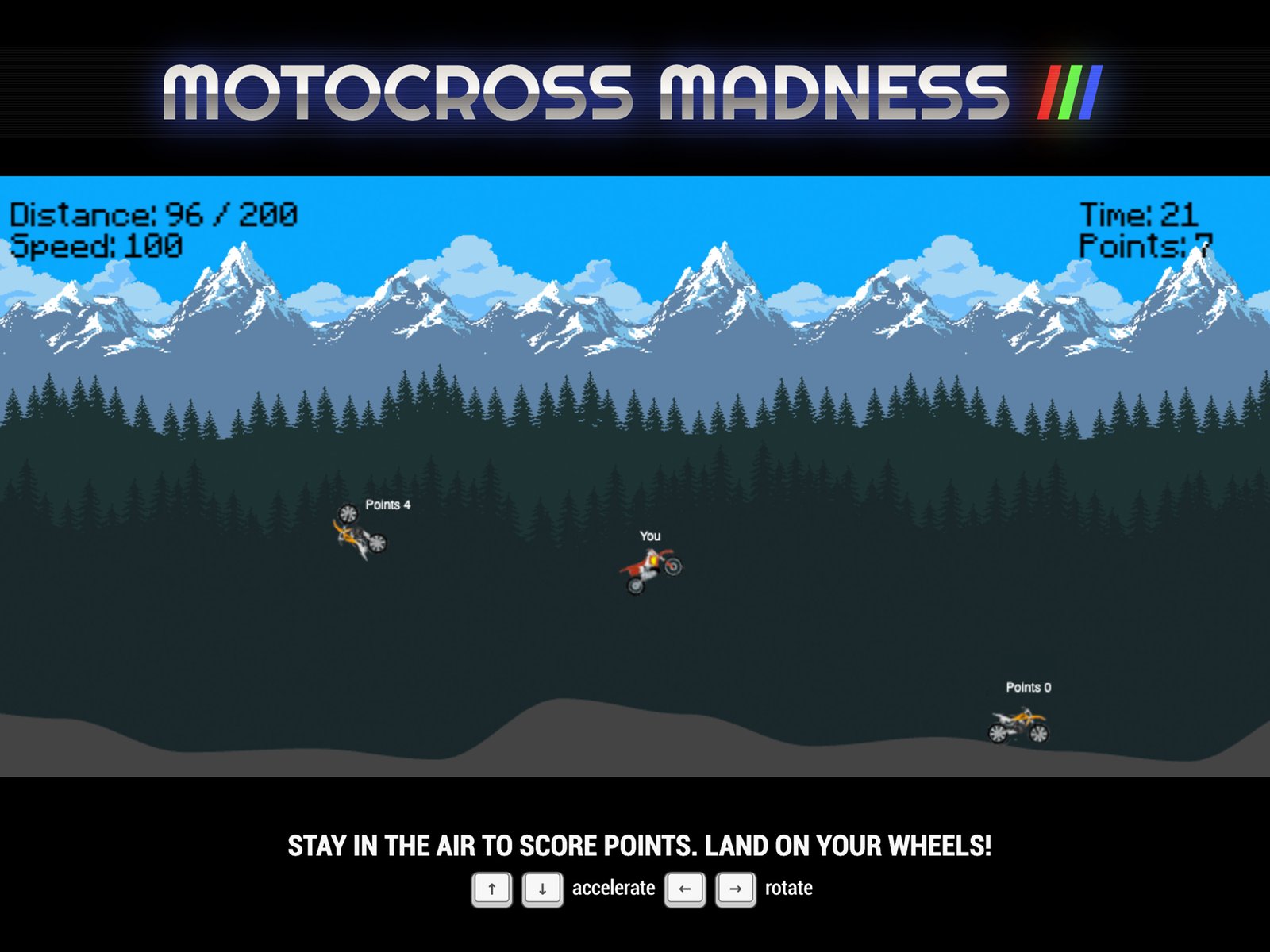
To keep that pre-launch audience engaged between sign-up and launch, a custom in-browser motocross game was integrated into the experience — exclusive to email subscribers who received it as a direct link. The developer built the game; the integration into the landing page ecosystem was a collaborative effort.
It was an unconventional move for a helmet launch, but exactly the kind of thing that deepens brand loyalty and keeps a product top of mind during a long pre-launch runway.
Post-launch
One page. Three positions over time.
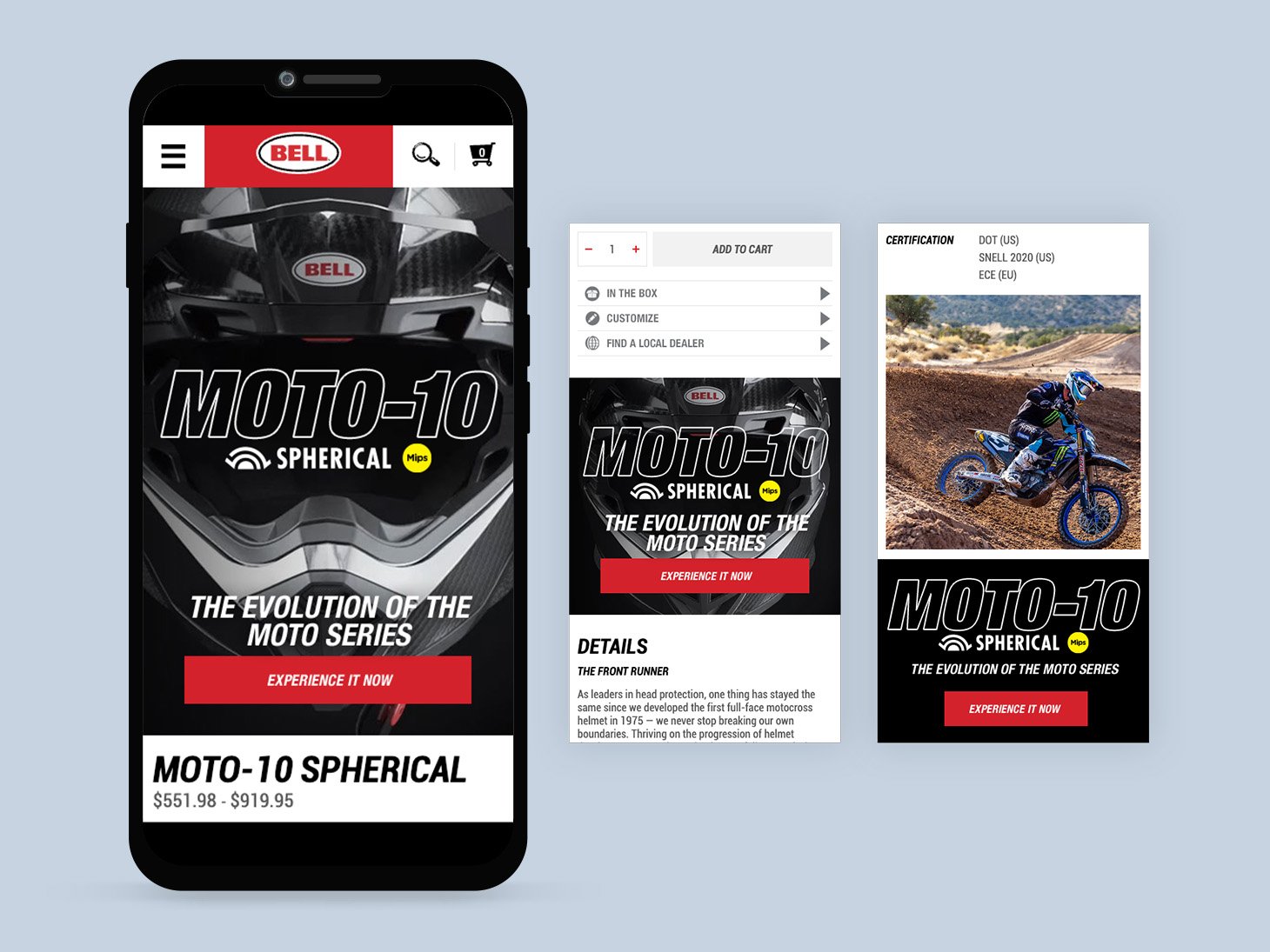
After launch, the work extended into the product page itself. Custom HTML display ads were designed and developed to live directly within the Moto-10 product page — acting as an in-page unit that linked back to the full landing page experience.
The placement wasn’t static: the ad moved down the page over time, shifting from a prominent launch position to a secondary placement as the product matured in the cycle. A deliberate way to keep the landing page connected to where buyers were actually landing, and to let the deeper product story stay accessible without cluttering the page long-term.
Built to launch a product. Designed to keep working long after it did.